
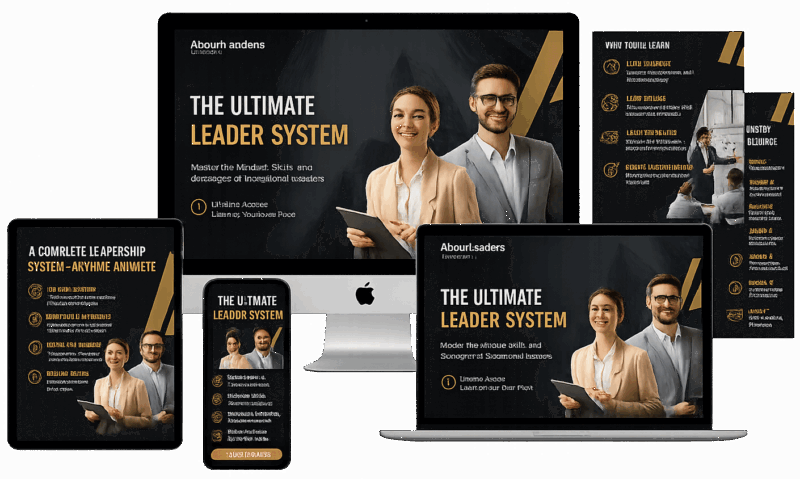
Experience the Ultimate Leader System™

Some of our client companies


WORLD CLASS LEADERSHIP MASTERCLASS
Unlock an innovative leadership advantage that can’t be replicated.

Ultimate Leader Masterclass TESTIMONIALS
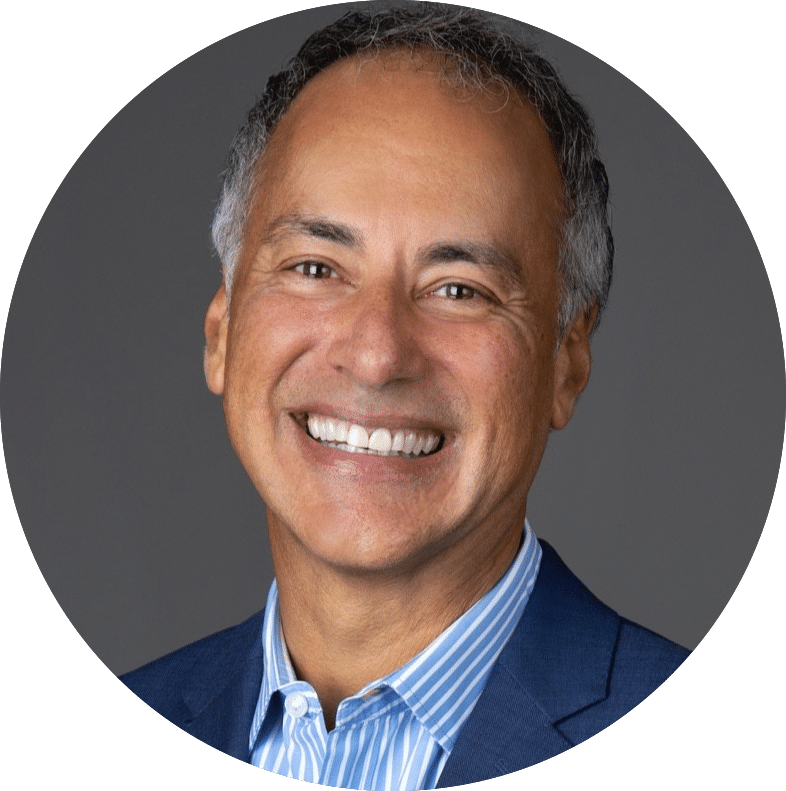
"Mary Kay’s expertise begins in the workplace, but her employee training program is equally valuable after you leave the office. Mary Kay knows how to size up a workplace situation quickly and accurately. But more importantly, she does not push her own agenda on you; she allows you to take the necessary steps for self-improvement, which leads to your own “aha” moments. You will learn how to “style adjust”, how to identify your key motivations, and how to navigate through conflict resolution with a more positive outlook. Anyone who takes Mary Kay’s Ultimate Leader Masterclass is ready to implement a new, effective way to move forward individually and as a valuable team member."

Ted Canova, Chief Content Officer

"Dr. Mary Kay was a driving force in the successful implementation of a culture change at our plant. Her training was relevant, energetic, and easily understood throughout every level of the organization. She was always accessible for questions or help when needed and followed up to ensure that her program was having the intended results. I would recommend her training to any individual or organization."
Rhonda Rallios, Quality Assurance Manager

"Mary Kay is an excellent instructor in communication styles and how to use the information to improve one-on-one communication and resolve conflict. Knowledge of communication styles has proven to be a valuable tool in my personal life as well. I know of no one better than Mary Kay to assist you and your management team."
Dan Abitz, CEO
ONLINE COURSE
Recognize the hidden signals behind how people communicate.

ONLINE ASSESSMENT
Pinpoint what drives each team member to succeed.

FREE GUIDE AND PDF DOWNLOAD
Resolve Workplace and Family Conflicts with Ease


Hi there! I’m Dr. Mary Kay, the co-founder of About Leaders, and I’m so thrilled you’ve found your way here. On behalf of our entire team, welcome! We’re excited about the chance to have you join our global community of leaders.
For over 30 years, I’ve had the privilege of working with more than 40,000 leaders across hundreds of companies as an executive coach, author, and course creator. My passion is helping managers discover and harness the secrets to building high-performing, self-correcting teams—and I’d love to help your management team do the same.
That’s why I created the Ultimate Leader Masterclass online course. It’s a fully self-paced program designed to help leaders achieve the same incredible results as my on-site corporate clients—on their own schedule.
In addition to our online courses, we also work directly with management teams through interactive Zoom sessions and on-site training. Whether your managers are navigating leadership challenges or preparing for new responsibilities, we can tailor our approach to meet their needs and deliver lasting results.
The Ultimate Leader Masterclass and our hands-on training programs are here to help you take your management team's leadership skills to the next level.
I’m so confident you’ll love the experience—I personally guarantee it!

Copyright 2026 Dr. Mary Kay, Inc. All rights reserved.
About Leaders® and Ultimate Leader® are registered trademarks of Dr. Mary Kay, Inc.